This week in Panama & Costa Rica for expats
The U.S. dollar hit another record low against Costa Rica's colón, Costa Rica set new tax-registration and notice rules, Panama cut fuel prices again, and El Niño is straining water supplies on both sides of the border.
Written in our own words from the reports linked under each item. We read each source before summarizing it, and we say so when sources disagree or a point is unconfirmed. Spanish-language sources are marked. Reporting runs through Saturday, November 28, 2026. Nothing here is legal, tax or immigration advice.
The short version
- Costa Rica: the dollar closed at a record-low ¢443.41 on Friday; new rules will require rental and small-business owners to register SINPE Móvil numbers with the tax office and will move tax notices to a digital mailbox.
- Panama: maximum fuel prices fell again on November 27; official figures show 515 intentional homicides through November 15, with Chiriquí up sharply from a low base.
- Both countries: El Niño is drying wells and raising heat, and flight capacity into San José is shrinking.
- No new Panama residency or visa rule turned up this week in the outlets we follow. If that changes, we will say so here and update the residency guide.
Costa Rica
1. The dollar hits another record low against the colón
The U.S. dollar closed Friday, November 27, at ¢443.41 on the central bank's Monex market, the lowest level since the bank's data series began in December 2007, El Financiero reported. The dollar started 2026 at ¢497.07, so it has dropped about ¢54 this year. Economists quoted in that report expect it to stay low through December, and one called a return to ¢500 before year-end very unlikely.
The Tico Times worked out what that means for a retiree living on the $1,000 monthly pension that Pensionado residency requires: roughly 52,000 fewer colones each month than in January, about $117 at current rates. The same piece cites a Bloomberg Línea analysis that put Costa Rica first in Latin America for the savings needed to retire comfortably, at an estimated $556,000, though that analysis excludes taxes and health care.
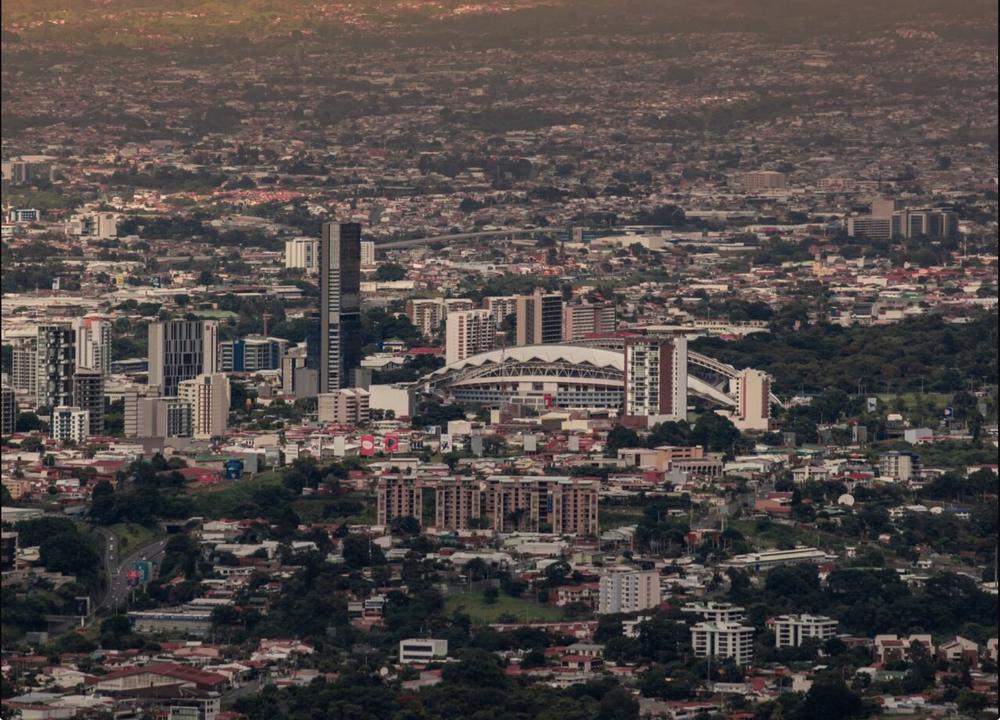

Why it matters to expats: if your income arrives in dollars, everything you pay for in colones now costs more dollars than it did in January. Re-run your monthly budget at today's rate, not last spring's. If you are comparing Costa Rica with Panama, which uses the U.S. dollar, this gap is part of the comparison.
Source: El Financiero (Spanish), The Tico Times, Nov 19 and Nov 20.
2. SINPE Móvil numbers used for business must be registered with the tax office
A tax-office resolution published in the official gazette on November 20 requires anyone registered as a taxpayer who is paid through SINPE Móvil, Costa Rica's phone-based payment system, to list those phone numbers in the national taxpayer registry, the RUT. It takes effect January 18, 2027. The Tico Times lists rentals, tours and freelance work as examples. Numbers used only for personal transfers do not need to be listed, and the report says this is a reporting duty, not a new tax.
The sources differ on one point. Taxpayers who are already registered get 12 months that the resolution says cannot be extended. El Financiero reads that period as running from the November 20 publication, which would end in November 2027. The Finance Ministry's press release describes 12 months from January 18, and the Tico Times says the ministry has not settled the question and suggests treating January 18 as the safe date. The Tico Times also reports that a missed registration can bring a fine of 2% of the previous year's gross income, with a floor of about $3,100 and a ceiling of about $103,600, decided case by case through a process in which you can respond.
Why it matters to expats: many expats who rent out a casita, run tours or freelance get paid through SINPE Móvil. Make a list of which phone numbers your customers pay, and ask a Costa Rican accountant whether the number you use for business should be registered, rather than waiting for the deadline to be clarified.
Source: The Tico Times, El Financiero (Spanish), Ministry of Finance (Spanish).
3. From January 1, tax notices go only to a digital mailbox
Under a law published November 17, registered taxpayers in Costa Rica will stop receiving tax notices at home, by mail or by fax from January 1. Official notices will land in a mailbox inside TRIBU-CR, the Finance Ministry's online system, and the Tico Times says you count as notified the business day after a notice is deposited, whether or not you have opened it. A text or email alert is only a reminder, so a wrong phone number or a spam folder does not stop the clock. The rule covers companies, the self-employed and people who declare rental income.
Why it matters to expats: if you own a Costa Rican company or declare rental income there, log in once before January 1, check that your phone number and email on file are current, and agree with your accountant on who checks the mailbox and how often.
Source: The Tico Times, Nov 27.
4. Up to 21% fewer airline seats into San José
Tourism business leaders say seats into San José's Juan Santamaría airport could fall by up to 21% between October 2026 and August 2027, with seats nationwide down about 15% and the Liberia airport closer to 3%. The Tico Times notes that the tourism institute has not publicly confirmed the projection. October arrivals through San José fell 8%, a seventh straight monthly drop, while Liberia rose 17.4%. Industry leaders blame higher fuel costs and recent U.S. airline changes, including Spirit's shutdown in May and route cuts by JetBlue, American and United. The report also notes that JetBlue moved to daily New York flights to both of Costa Rica's main airports this week.
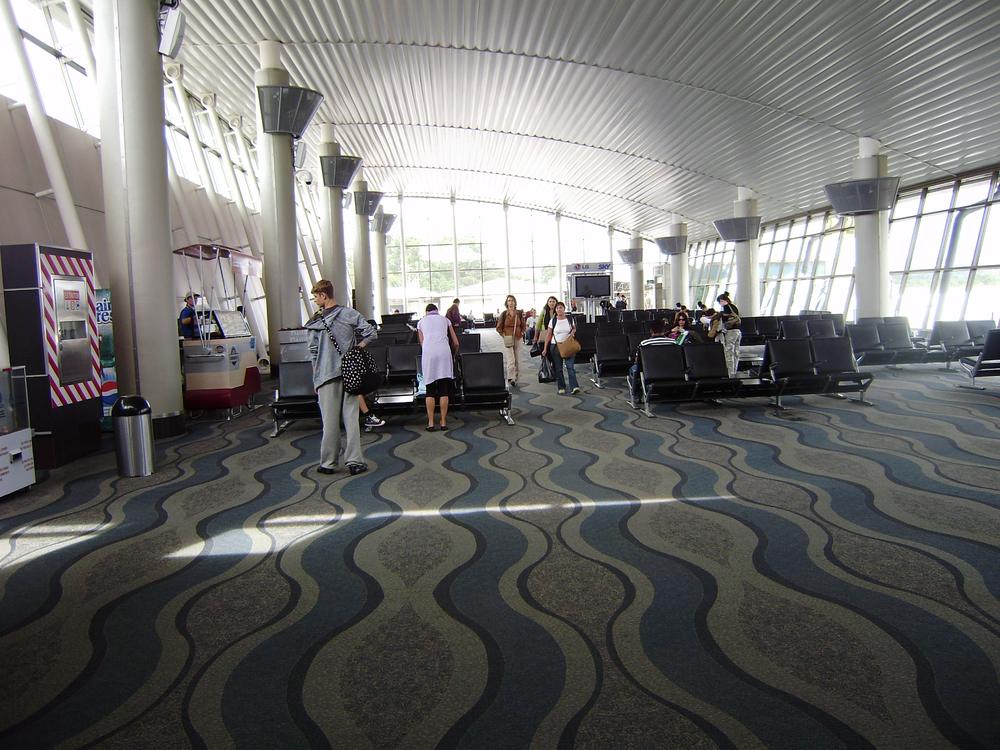

Why it matters to expats: fewer seats usually means fuller planes and fewer choices when you book holiday travel or a scouting trip. Book early for December and January, and if you are looking at Guanacaste, check fares into Liberia as well as San José.
Source: The Tico Times, Nov 20.
5. Guanacaste now builds more large homes than San José
Guanacaste recorded 882 new homes of 200 square meters or more in 2025, against 542 in San José, according to preliminary figures from Costa Rica's statistics institute, INEC, as reported by the Tico Times. Two cantons account for about 88% of the province's total: Santa Cruz, which includes Tamarindo, Flamingo and Playa Grande, with 557, and Carrillo, which includes Playas del Coco and Playa Hermosa, with 219. A tourism observatory at the National University attributes the boom to tourism, second homes and money that arrived after the pandemic, and says some coastal properties rose in price by up to 400% between 2020 and 2023. The report cautions that the figures are preliminary and that a house of 200 square meters is not automatically a luxury home.
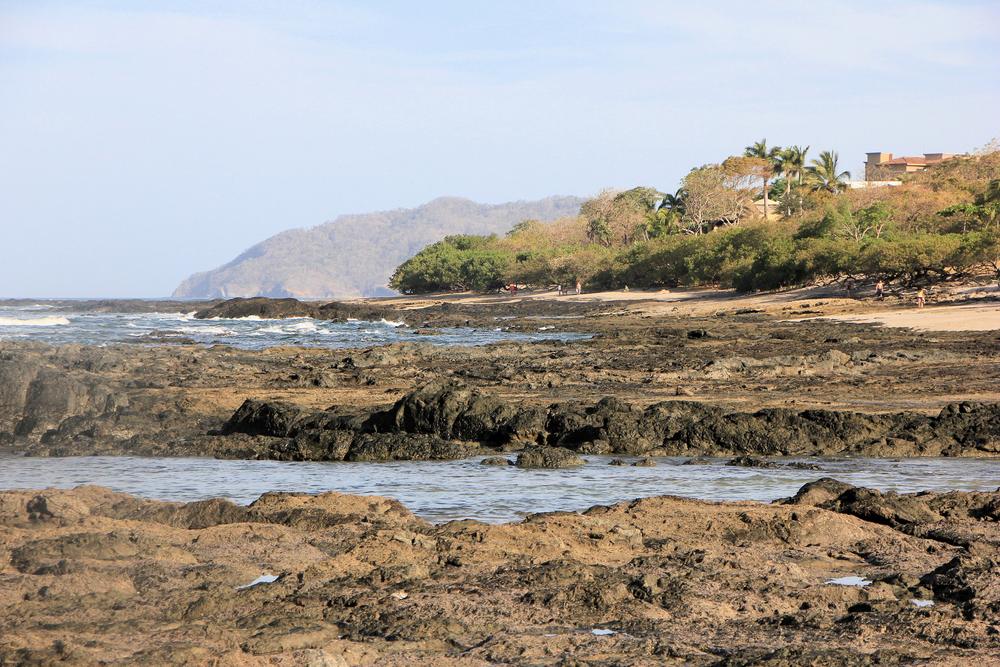

Why it matters to expats: a lot of new supply is arriving in the same towns where many foreign buyers look, and it is arriving in a province with a water problem (next item). Ask any seller or builder where the water comes from before you compare prices.
Source: The Tico Times, Nov 24.
6. Nicoya villages get a few minutes of tap water a day as El Niño dries wells
In Iguanita, a rural community in Nicoya, piped water ran for about ten minutes a day through most of October, the Tico Times reports. In nearby Moracia the main well dried up on October 31, and homes now get water every second evening from 8 to 11 p.m., plus a tanker truck three days a week. The national water utility, AyA, has put two tanker trucks on community systems, announced two more, and bought 16 tankers due in November and December. From about December 15 it plans to set up storage tanks of up to 22,000 liters at fixed points. The report says Guanacaste has 304 community water associations, that the dry season has begun, and that the World Meteorological Organization expects El Niño to peak in December.
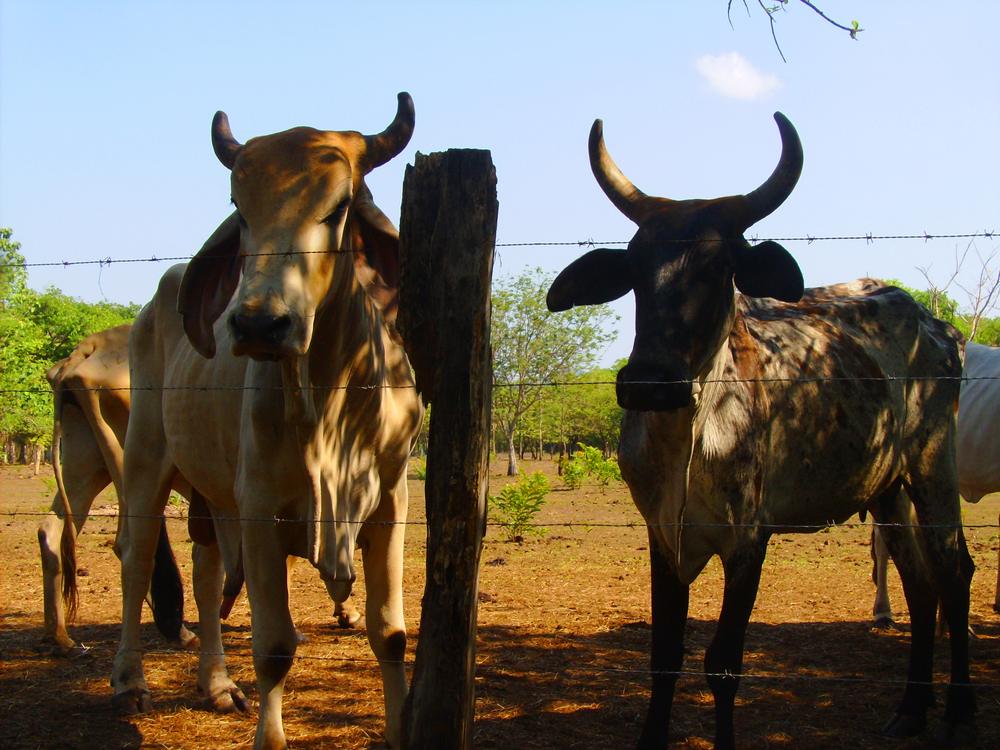

Why it matters to expats: the villages in this report are rural, but the same pressure applies to anyone renting or buying in Guanacaste this dry season. Ask whether the property is on AyA or a local community association, whether it has a storage tank and pump, and what happened to supply last March and April.
Source: The Tico Times, Nov 23.
Panama
7. Fuel prices fall again
Maximum prices for gasoline and diesel dropped from 6 a.m. on Friday, November 27, and stay in force until Friday, December 11. In Panama City and Colón the cap is B/.1.125 per liter for 95-octane, B/.1.004 for 91-octane and B/.1.300 for low-sulfur diesel, cuts of 11, 10 and 13 cents a liter, according to La Prensa and Telemetro. The official table in the Gaceta Oficial lists B/.1.149 for 95-octane in Boquete and B/.1.147 in David. Newsroom Panama reports the hydrocarbons director crediting calmer international tensions, normal fuel shipping and lower U.S. demand as the cold season sets in. The caps come from a decree issued October 27 that regulates prices for six months and updates them every 14 days.
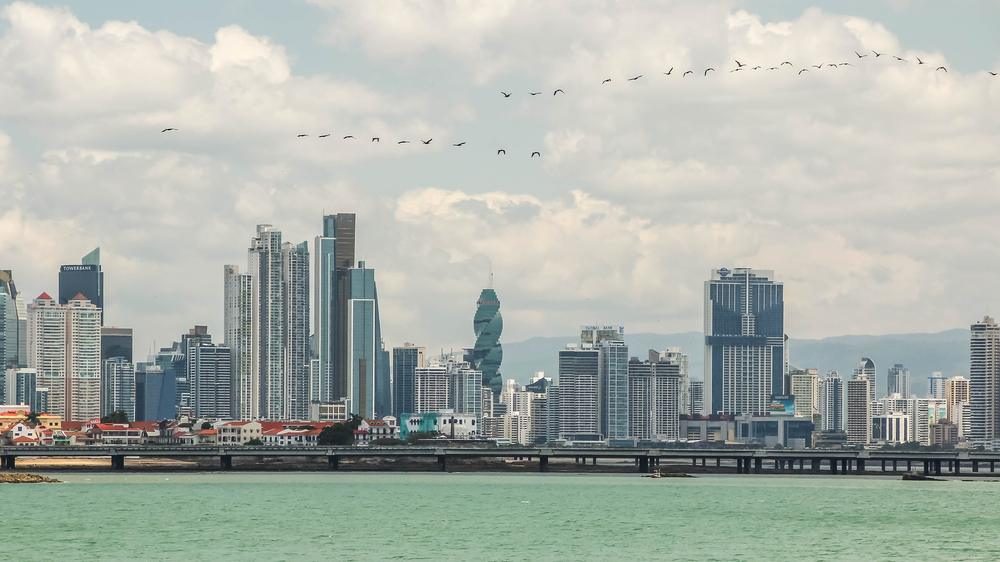

Why it matters to expats: if you drive a lot, whether between Boquete and David or from Coronado into the city, fuel is a real part of the monthly budget, and these are maximum prices, not guaranteed ones. The next adjustment is due around December 11. Prices have been moving every two weeks, so avoid building a budget on a single reading.
Source: La Prensa (Spanish), Telemetro (Spanish), official gazette (Spanish), Newsroom Panama.
8. Homicides are flat nationally, gang violence is up, and Chiriquí rose from a low base
Panama's crime-statistics system, SIEC, counted 515 intentional homicides from January 1 to November 15, a national rate of 11.1 per 100,000 people, which it classes as moderate. That is about the same as last year, per La República, which adds that gang-linked killings rose from 50 to 78 (+56%) and femicides from 16 to 23. Colón has the highest rate, 26.5 per 100,000. Chiriquí, the province that includes Boquete, went from 11 to 32 homicides, a 191% jump, but its rate of 6.0 per 100,000 is still in SIEC's low category, as is Panamá Oeste's 5.7, where Coronado is. Newsroom Panama carries the same national figures.
Why it matters to expats: a large percentage jump from a small number is still a real change, and it is worth tracking, but the province-level rates are low. These numbers are by province, and we did not find a breakdown for Boquete or Coronado themselves. Ask local residents and your agent what has changed on the specific street you are considering.
Source: La República Panamá (Spanish), Newsroom Panama, Nov 28.
9. El Niño: a heat alert and deeper wells
Panama's weather service issued a heat alert through Monday, November 30, with daytime highs of 32 to 36 °C and a heat index of 35 to 42 °C, Newsroom Panama reported. The same report says El Niño has been in place for five straight months and is expected to continue, and that the dry season starts in December. Water is feeling it: TVN reports that the national water utility, IDAAN, now has to drill 200 to 300 feet in Coclé to find steady supply, where about 150 feet used to be enough. It has drilled about 28 wells this year in the Antón, Penonomé, Aguadulce and Natá districts. Separately, La Estrella de Panamá says IDAAN has repaired over 1,000 leaks and reactivated its leak-repair program in the capital after the magnitude 7.5 earthquake of October 9.
Why it matters to expats: the dry season, which starts in December, is when supply problems are most likely to show up. Before renting or buying, ask about the water source, whether there is a storage tank and pump, and what the house did last dry season. If you are visiting this week, take the heat alert seriously, and plan outdoor time for early morning.
Source: Newsroom Panama, TVN Noticias (Spanish), La Estrella de Panamá (Spanish).
10. Tap a bank card or phone on Panama's Metro and MiBus
La Estrella de Panamá reports that riders can pay directly at the validator with a contactless Visa, Mastercard or prepaid card, or with a phone or smartwatch using Apple Pay or Google Pay, without first loading a transit card. The article says cards issued abroad work as well as Panamanian ones, the regular fare applies, and there is no extra fee.
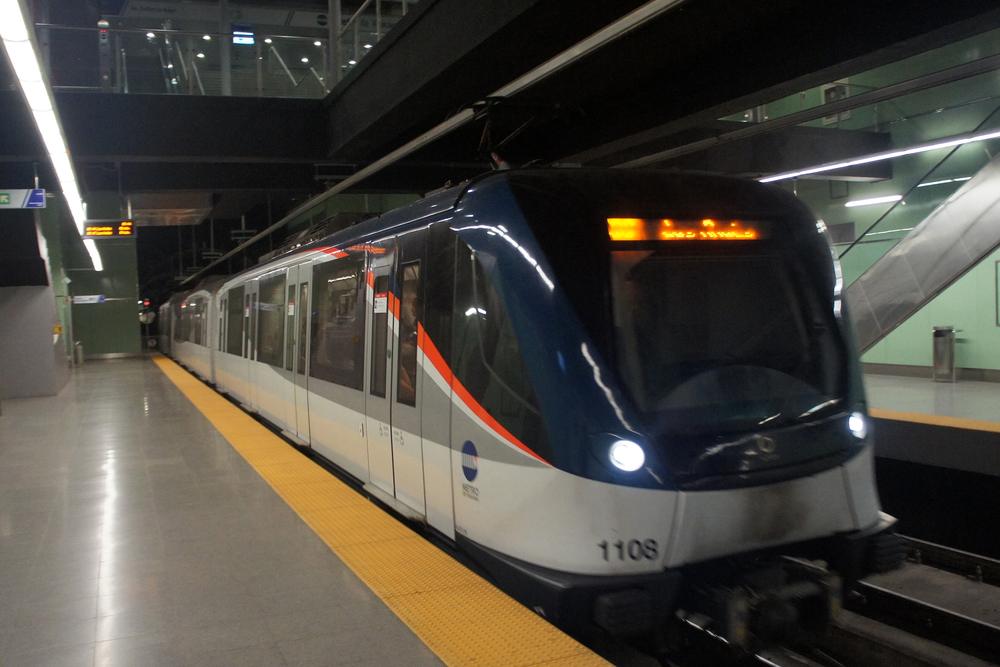

Why it matters to expats: this removes a small but real hassle for scouting trips and newcomers in Panama City. We have not tested it ourselves, so check at the station on your first ride, and watch for foreign-transaction fees from your own card issuer.
Source: La Estrella de Panamá, Nov 28 (Spanish).
Local spotlights
Boquete: Independence Day events, with a parade and a horseback procession
Boquete hosted Panama's official November 28 independence ceremonies this year, TVN reported. President José Raúl Mulino raised the flag outside the municipal building, and a parade followed from the Do It Center area to the Banco Nacional. According to Newsroom Panama, the celebrations continue Sunday, November 29, with a horseback procession. In his remarks Mulino also said the country would be updated on talks about the future of the Cobre Panamá mine.
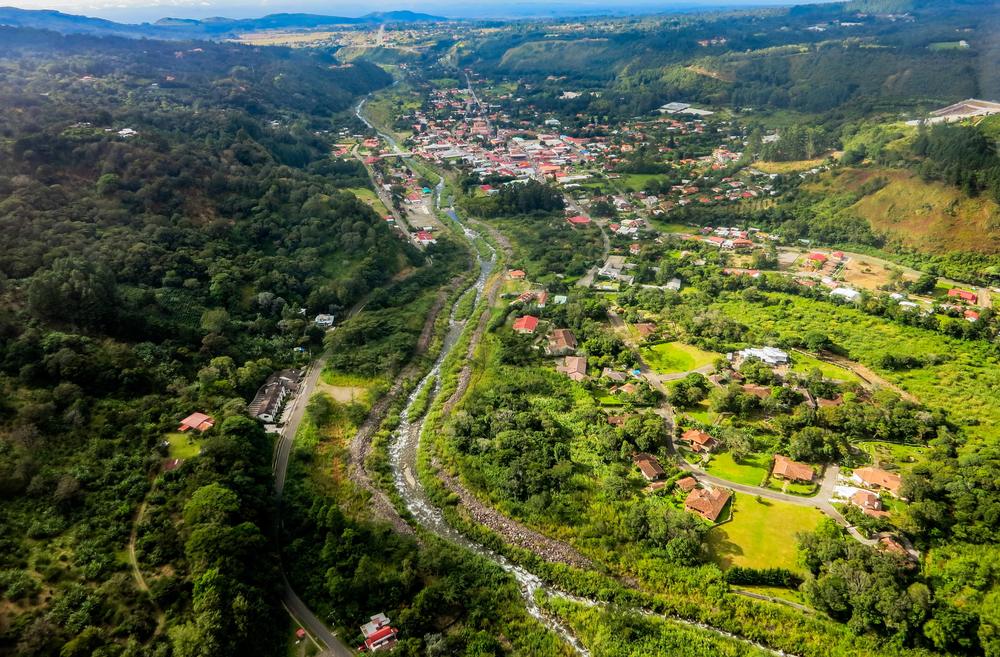

Newsroom Panama said traffic authorities would close streets along the parade route on Saturday, so check locally before driving on Sunday. For background on living there, see our Boquete guide.
Coronado: the Beach Corridor widening moves forward
Panama's environment ministry approved the environmental impact study for the Campana bypass, part of the plan to widen the Pan-American Highway from four to six lanes over roughly 20 kilometers, from Hacienda Los Calderones in La Chorrera to the Sajalices river bridge, TVN reported on November 11. That highway is the route drivers from Panama City take toward Coronado, Gorgona and San Carlos. The public works ministry says the overall project is more than 7% complete. The bypass itself is planned at three kilometers, with a six-lane viaduct over its last 800 meters that rises as high as 30 meters. Drivers should expect a 30 km/h limit in work zones. The TVN article gives a completion date that is clearly a typo, so we are not repeating it and could not confirm a finish date.
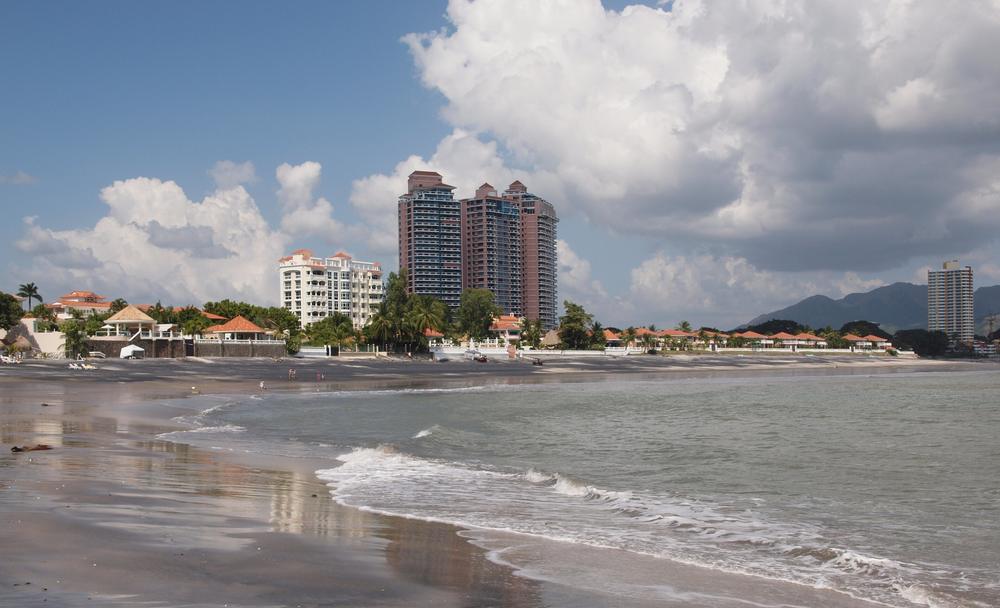

Water is the other Coronado item to watch: IDAAN published a maintenance schedule that included cleaning at the Chame plant on Monday, November 23, which could reduce supply at high and distant points in Gorgona and Coronado, per Telemetro. That work has passed, but the utility posts these schedules weekly. See our Coronado guide.
Guanacaste coast: turtle season, wind, long drives and a beachfront-concession dispute
- Tamarindo and Playa Grande. Leatherback nesting season runs October through February, and Playa Grande closes at 5 p.m. at Las Baulas National Marine Park, an hour earlier than usual, per the Tico Times, citing the national conservation system. Ask the park office before paying for a night tour.
- Wind and tides on Saturday. The Tico Times said gusts in the North Pacific could reach about 100 km/h on November 28, with king tides running through the day on the Pacific coast, so tie down loose patio items and stay back from the waterline at high tide.
- Drive time. A national competitiveness index puts the average drive from Santa Cruz, the canton that includes Tamarindo, to the San José airport at about 3 hours 48 minutes, and to the Liberia airport at about 59 minutes. Add extra time, because these are averages from the canton's main town.
- A beachfront-concession dispute. Guana Noticias, a Guanacaste outlet, reports that a 1,000-square-meter concession on the state-owned maritime zone at Playa Matapalo in Carrillo was approved by the municipal council in December 2022 but the contract has still not been signed. Meanwhile, the outlet says vendors operate on the site without municipal licenses. Its follow-up quotes the council's lawyer saying a court injunction does not allow unlicensed business, and the mayor has said the unsigned contract is tied up in legal proceedings. Why it matters: the maritime zone belongs to the state, and a council vote is not the same as a signed concession. If you are looking at anything on the beach in Costa Rica, ask for the signed contract and the municipal record, and hire a Costa Rican lawyer.
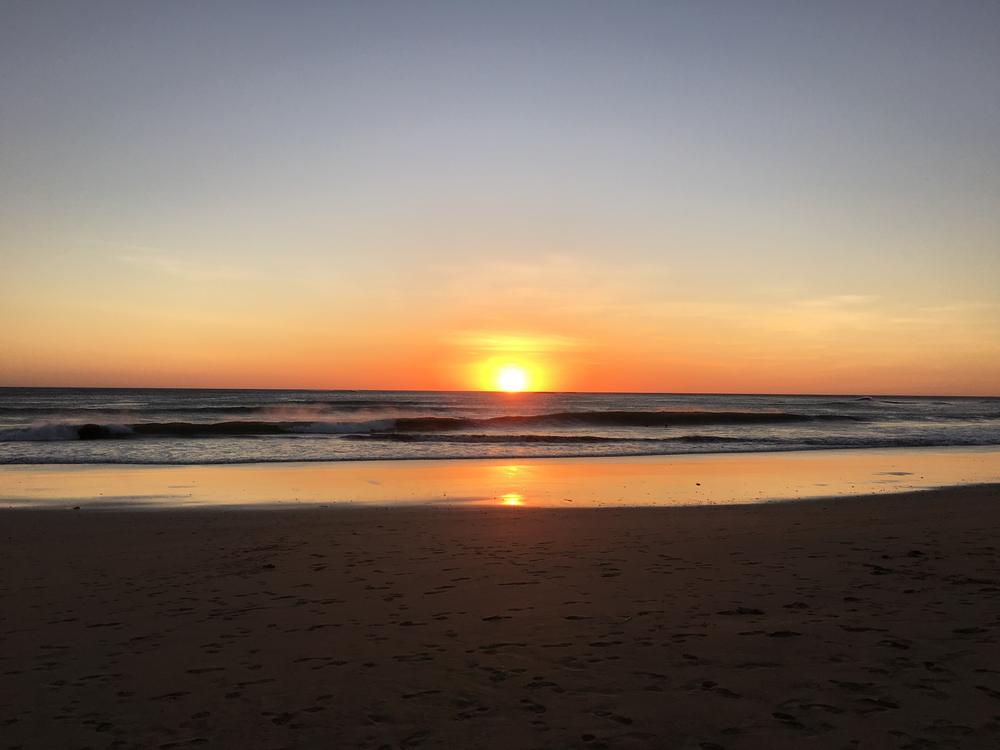

See our Tamarindo guide for the town itself.
Not covered this week: we did not find verified Atenas news from the past ten days, so there is no Atenas spotlight this week.
What we're watching next week
- Whether Costa Rica's tax office settles the SINPE Móvil deadline question.
- Panama's next fuel-price adjustment, due around December 11.
- Whether the airline seat-cut forecast for San José is confirmed by the tourism institute.
- El Niño water updates from Guanacaste's utility and Panama's IDAAN as the dry season begins.
Have a tip or a correction? Write to [email protected].
Sources
- Dólar cierra en ¢443,41 y marca nuevo mínimo histórico en Costa Rica (El Financiero (Costa Rica), Nov 27, in Spanish)
- Costa Rica Is Latin America's Priciest Place to Retire as the Dollar Hits a Record Low (The Tico Times, Nov 19)
- Dollar Hits Its Third Record Low in a Week in Costa Rica (The Tico Times, Nov 20)
- Get Paid by SINPE Móvil in Costa Rica? You Must Register the Number by Jan. 18 (The Tico Times, Nov 22)
- Hacienda establece plazo para inscribir números de Sinpe Móvil dedicados al cobro comercial (El Financiero (Costa Rica), in Spanish)
- Hacienda exigirá registrar teléfonos vinculados a pagos por SINPE (press release CP-67-2026) (Costa Rica Ministry of Finance, in Spanish)
- Costa Rica's Tax Office Will Send Notices Only to a Digital Mailbox From Jan. 1 (The Tico Times, Nov 27)
- Costa Rica's Main Airport Faces Up to 21% Fewer Seats Through August 2027 (The Tico Times, Nov 20)
- Guanacaste Now Builds More Large Homes Than San José (The Tico Times, Nov 24)
- Nicoya Towns Got 10 Minutes of Tap Water a Day as El Niño Dried Their Wells (The Tico Times, Nov 23)
- Precios de los combustibles registran una nueva disminución a partir del 27 de noviembre (La Prensa (Panama), Nov 25, in Spanish)
- ¿Dónde es más barato comprar gasolina en Panamá? Revisa la nueva tabla de precios (Telemetro (Panama), in Spanish)
- Resolución MIPRE-2026-0046949, Gaceta Oficial 30660-I (maximum fuel prices, Nov 27 to Dec 11) (Secretaría Nacional de Energía, Panama, official gazette, in Spanish)
- Panama Gas Prices Keep Falling! Gasoline and Diesel will Drop by up to 51 Cents Per Gallon this Friday November 27 (Newsroom Panama, Nov 26)
- Panamá suma 515 homicidios intencionales al 15 de noviembre; Colón mantiene la tasa más alta (La República Panamá, Nov 27, in Spanish)
- Gang-related Violence Increases by 56% in Panama – A Homicide Occurs Every 15 Hours (Newsroom Panama, Nov 28)
- Heat Alert for Panama This Weekend – Up to 42 Degrees Celsius (Newsroom Panama, Nov 28)
- Idaan perfora pozos de hasta 300 pies en Coclé ante efectos de El Niño y riesgo de sequía (TVN Noticias (Panama), Nov 27, in Spanish)
- El IDAAN atiende nuevas fugas en tuberías tras el terremoto del 9 de octubre (La Estrella de Panamá, Nov 21, in Spanish)
- Metro y MiBus: así puede pagar el pasaje con tarjeta o celular (La Estrella de Panamá, Nov 28, in Spanish)
- Con la izada de la bandera por parte del presidente Mulino, inician los actos del 28 de noviembre en Boquete (TVN Noticias (Panama), Nov 28, in Spanish)
- Panama Celebrates Month of the Homeland November 28th with Parades in Boquete, La Chorrera and Betania (Newsroom Panama, Nov 27)
- Proyecto del Corredor de Las Playas recibe aprobación ambiental de la variante de Campana (TVN Noticias (Panama), Nov 11, in Spanish)
- IDAAN anuncia trabajos del 23 al 29 de noviembre: conozca las áreas donde habrá reparaciones (Telemetro (Panama), Nov 23, in Spanish)
- Turtle Season Is On in Guanacaste and Playa Grande Now Closes at 5 p.m. (The Tico Times, Nov 25)
- The Drive From Some Costa Rica Destinations to the Airport Now Tops Five Hours (The Tico Times, Nov 27)
- Driving to Guanacaste Today? Gusts Could Reach 100 km/h (The Tico Times, Nov 28)
- Zona Marítimo Terrestre de Playa Matapalo está invadida por actividades económicas ilegales (Guana Noticias (Guanacaste), Nov 24, in Spanish)
- Confirman ilegalidad de negocios sin patente dentro de una concesión de Zona Marítimo Terrestre (Guana Noticias (Guanacaste), Nov 26, in Spanish)